
Getting Started
Beginner's Guide to Canal Boating
Essential top tips for your first canal boat holiday. Learn the basics of narrowboat handling, crew teamwork, and preparing to set off safely.
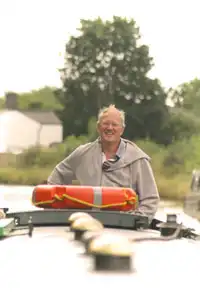
Top Tips for Beginners
Choose your skipper – at least one person needs to know the boat-handling basics, to understand the safety guidelines and to know what to do in an emergency. It’s then his or her job to make sure your crew and passengers have all the information they need to stay safe. It’s a good idea to be clear on each crew member’s duties.
Good boating takes teamwork. So you need competent crew who know how to handle the boat and how to stop the engine, and who can help with mooring, moving through locks, navigation and so on.
- Make sure you and your crew know how to handle the narrowboat – and that you know how to handle it on the waterway you’re using.
- Get local information from the navigation authority before going onto unfamiliar waterways. On rivers, get information on stream conditions and any tides.
- Plan your cruise and allow enough time to complete it without rushing.
- It’s not a good idea to cruise in the dark or when visibility’s bad – if you do, take extra care.
- Make sure you’ve got full tanks of water and fuel before venturing to remote areas.
Setting off in your canal boat
You’re on the waterways, aboard your canal boat and about to set off – where do you start? Follow these simple steps for a clean getaway:
1. Warm up the engine: Start the engine on your narrowboat, keep it in neutral and allow a few minutes for it to warm up before you move off.
2. Untie the ropes: Untie the front and back mooring ropes from the bank, but leave them tied to the boat, coiled and ready for use. On rivers, untie the downstream rope first. Make sure your ropes can’t trail in the water and get caught in the propeller! Don’t forget to stow the mooring stakes and hammer.
3. Push off: Check the area is clear of boat traffic then push the canal boat away from the bank so you can make a clean getaway, with your propeller in deep water. In shallow water, push the back of the boat out, then reverse away until there’s room to straighten up.
4. Accelerate gently: When the canal boat’s straight, go into forward gear and accelerate gently to cruising speed. On all UK waterways, you drive on the right. In practice, on most canals, you’ll keep to the centre of the channel – it’s shallow near the edges – unless there’s another boat coming towards you.
5. Watch your wake: Always slow down when passing anglers and moored boats. Don’t let your boat create a breaking wave or a lowering of the water along the bank just ahead of the boat. These are signs that you should throttle back to prevent damage to the bank. Excessive speed can dislodge mooring pins.
This video is hosted by YouTube.
We require your consent to load third-party cookies.
How to operate a canal boat
Don’t forget you can download the Boaters Handbook here.

Explore More Guides
Continue reading our essential boating information and holiday tips.
Years Experience
Boutique Boats
TripAdvisor Ratings
Generations